TotWord
TotWord
Tier 1 · First words · Ages 1.5–4

First Words

The 15 first words a Bengali- or Hindi-speaking learner meets first — hi, more, up, down, mine and the rest — each with a picture, the IPA spelling, an easy respelling, and audio in all three languages.

20 words4 topics60 audio clips

Show meanings in

English only. Pick Bengali or Hindi to add a home-language meaning under every word.

Why these words come first

Some words are not names for things at all — they are the tools a learner reaches for before nouns even arrive: hi and bye to greet, yes and no to answer, more to ask again, up and down and in and out to move through the day, mine and here to claim and point, again to repeat a game, big and small to compare. All three First Words topics sit in tier 1 because these are the highest-frequency words in a toddler's day, ahead of any single theme like family or clothing.

Each card below carries the picture, the English word, its IPA transcription, a plain-English respelling you can read aloud without training, and the meaning in Bengali or Hindi. Tap the round button to hear it in the language you picked above.

Pick one topic per sitting — five words is a full session, so three sittings cover all fifteen. Say the respelling, not the IPA, when reading aloud. Play the English clip first and the home-language clip second.

First Words 1

5 words
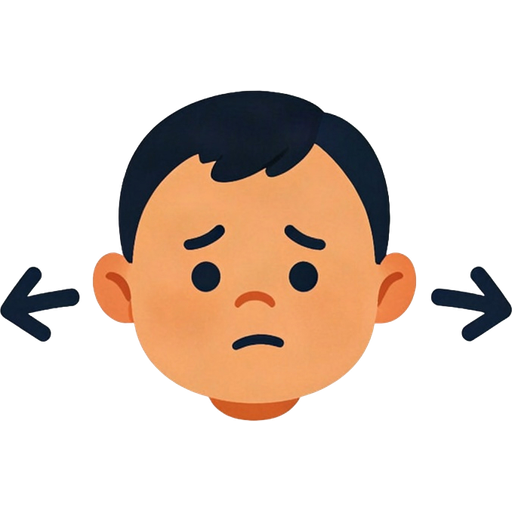
no — illustration for the TotWord first-words lesson

no

/noʊ/

noh

more — illustration for the TotWord first-words lesson

more

/mɔːr/

mor

yes — illustration for the TotWord first-words lesson

yes

/jɛs/

yes

hi — illustration for the TotWord first-words lesson

hi

/haɪ/

hy

bye — illustration for the TotWord first-words lesson

bye

/baɪ/

by

First Words 2

5 words
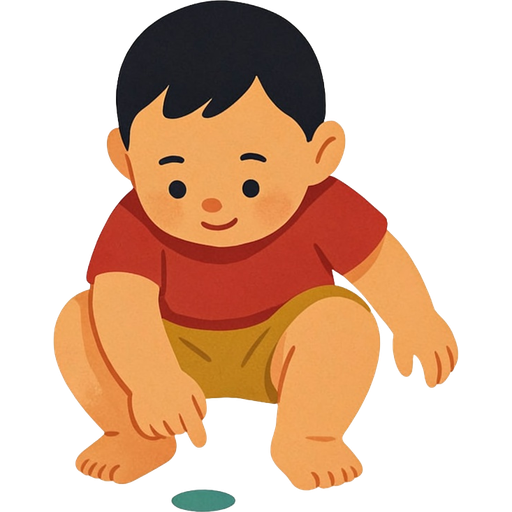
up — illustration for the TotWord first-words lesson

up

/ʌp/

up

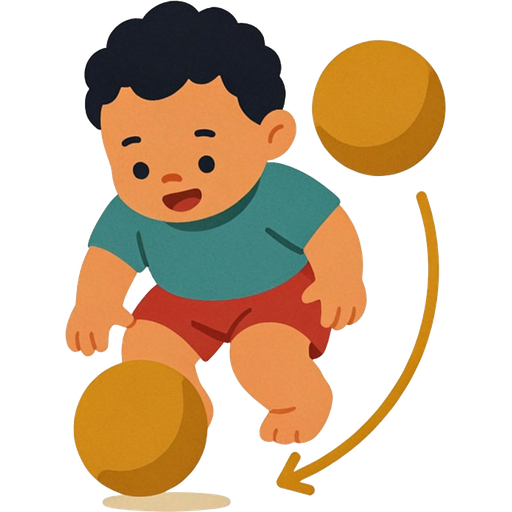
down — illustration for the TotWord first-words lesson

down

/daʊn/

down

in — illustration for the TotWord first-words lesson

in

/ɪn/

in

out — illustration for the TotWord first-words lesson

out

/aʊt/

owt

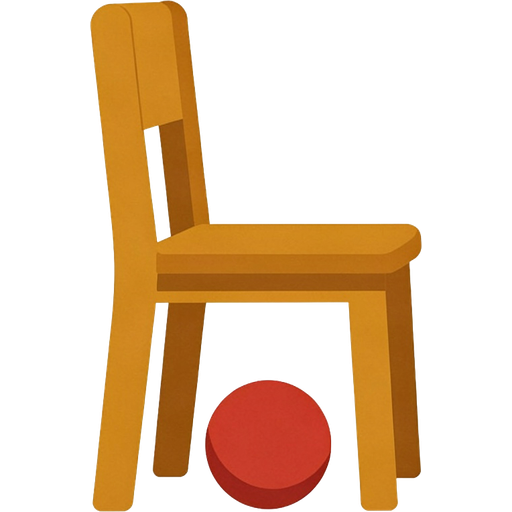
under — illustration for the TotWord first-words lesson

under

/ˈʌndər/

un-der

First Words 3

5 words
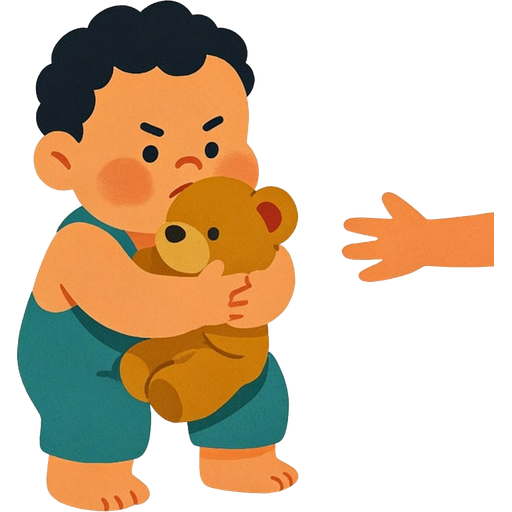
mine — illustration for the TotWord first-words lesson

mine

/maɪn/

myn

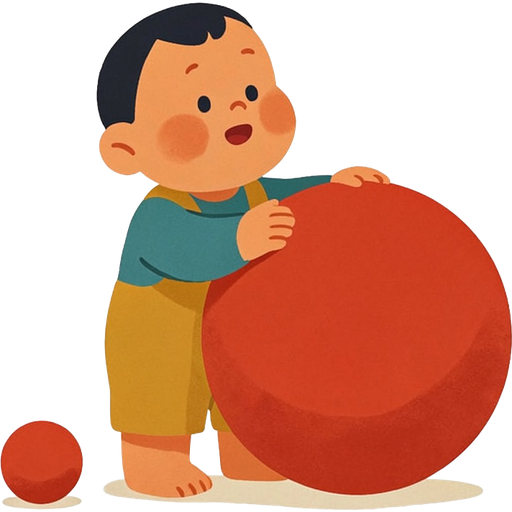
big — illustration for the TotWord first-words lesson

big

/bɪɡ/

big

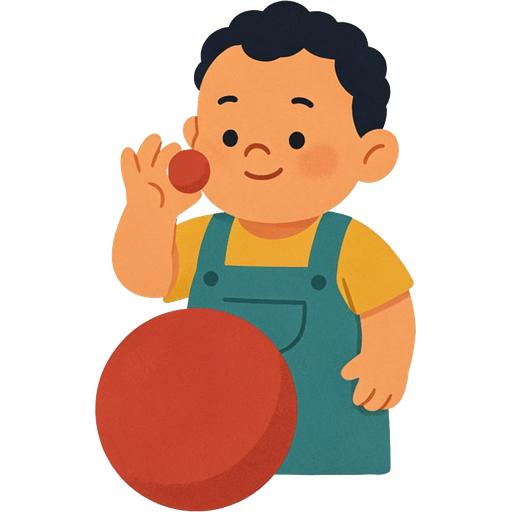
small — illustration for the TotWord first-words lesson

small

/smɔːl/

smawl

here — illustration for the TotWord first-words lesson

here

/hɪr/

hear

again — illustration for the TotWord first-words lesson

again

/əˈɡɛn/

uh-gen

First Words 4

5 words
please — illustration for the TotWord first-words lesson

please

/pliːz/

pleez

thanks — illustration for the TotWord first-words lesson

thanks

/θæŋks/

thankz

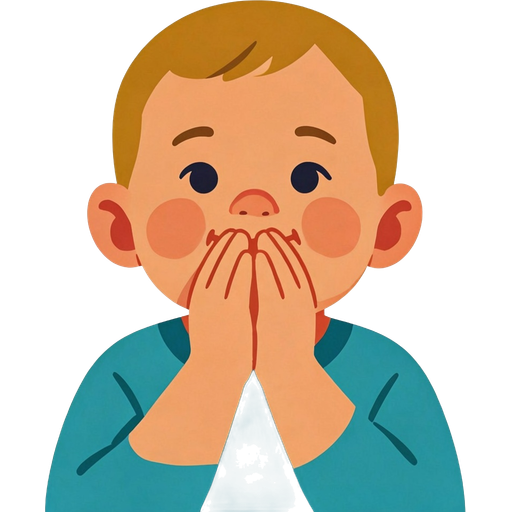
sorry — illustration for the TotWord first-words lesson

sorry

/ˈsɒri/

sah-ree

stop — illustration for the TotWord first-words lesson

stop

/stɒp/

stahp

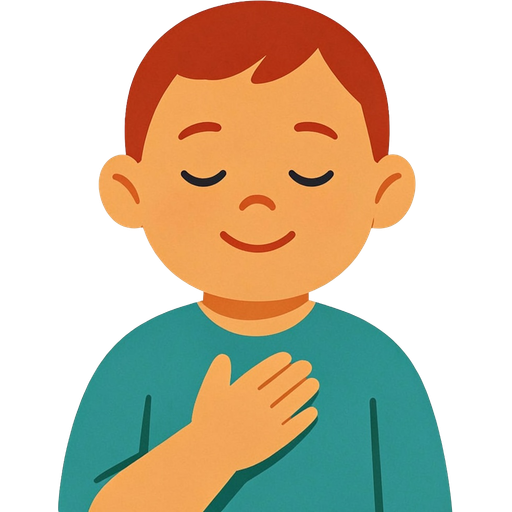
okay — illustration for the TotWord first-words lesson

okay

/ˌoʊˈkeɪ/

oh-kay

More word topics

Keep going with another set of everyday English words.

Questions people ask

Why are “First Words 1”, “2” and “3” all tier 1 instead of spreading across tiers?
All fifteen words in this theme fall inside the first hundred words a toddler needs, so all three topics land in tier 1. Other themes split across tiers instead — body parts, for instance, starts in tier 1 and continues in tier 3 — because their words are used less often day to day.
Do I have to finish “First Words 1” before opening “First Words 2”?
No. Tiers order the topic list by how common the words are; they never lock anything. A learner can open First Words 2 or 3 first if that is what interests them that day.
Why do “up”, “down”, “in” and “out” sit in the same topic?
First Words 2 groups the opposite-pair words a toddler uses to talk about movement and position. The home language marks the same opposites with its own separate words too, so pairing the English cards side by side makes the contrast easy to hear.

Ready to practise?

Turn every word on this page into a quick picture quiz.

Practise these words